
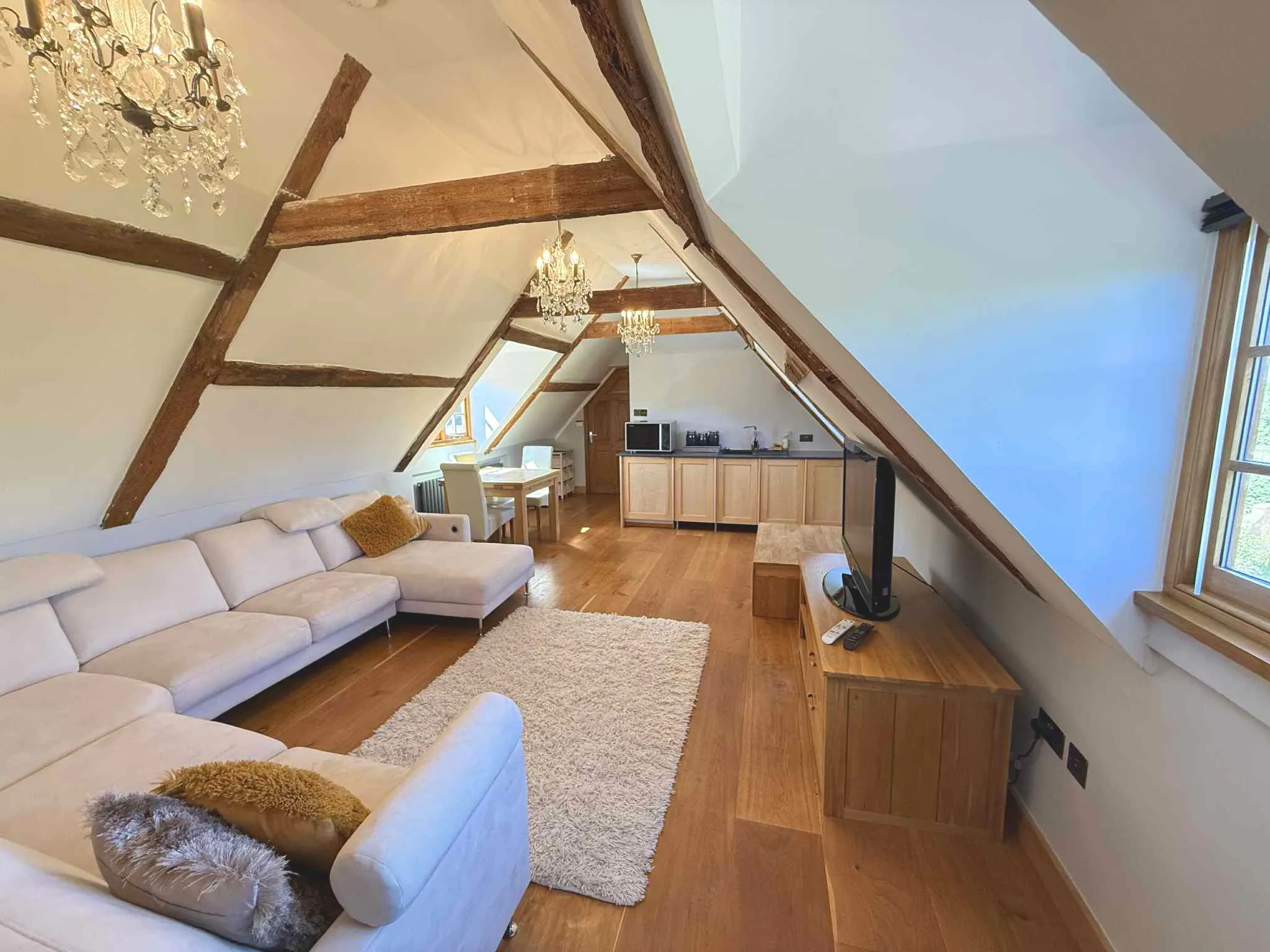
For a lot of UK homes, the loft is the most underused space in the house. It’s there, it’s structurally part of the building, but it’s doing nothing useful. A rear dormer loft conversion changes that more effectively than almost any other type of loft work and for the right property, it’s one of the better investments you can make.
Construction Interior Design Limited has been carrying out loft conversions across the Midlands for over twenty-five years. What follows is honest, practical guidance based on real projects.
What a Rear Dormer Loft Conversion Actually Involves
A dormer conversion extends the roof upward at the rear of the property, adding vertical walls where the slope would otherwise cut into the usable space. The result is a proper room with full headroom, straight walls and space for a bed, a desk or a bathroom, rather than the cramped, awkward shape you get when you simply work around an existing roofline.
The rear is the standard position for a dormer for good reason. It’s less visible from the street, which matters both aesthetically and from a planning perspective, and it typically catches afternoon or evening light depending on the orientation of the house.
A Velux conversion, by contrast, leaves the roof shape entirely as it is and adds windows into the existing slope. It costs less and takes less time, but the usable space is significantly smaller and the headroom issue doesn’t go away. For anyone wanting a bedroom, a bathroom or a room that works properly as a living space, a rear dormer is usually the right answer.
How Much Does a Rear Dormer Loft Conversion Cost in 2026
Costs vary depending on the type and size of the extension, the specification and what’s being done internally, but as a working guide:
A standard rear dormer loft conversion typically falls between £55,000 and £80,000. An L-shaped dormer, which extends across both the rear slope and a side return, usually sits between £70,000 and £95,000 and is common on Victorian and Edwardian terraces. Adding an ensuite bathroom brings the cost to roughly £65,000 to £90,000.
Those figures include structure, roofing, insulation, plastering, electrics and first fix. They don’t include kitchen fitting or furniture, but they do cover everything needed to get to a finished, usable room. These numbers are a general guide, if you require a specific quote for your property please contact a member of our team.
Does a Rear Dormer Loft Conversion Need Planning Permission
Most rear dormer conversions fall under permitted development, which means no planning application is required. That said, there are conditions including limits on the size of the extension, restrictions on materials and rules about how far the dormer can project and permitted development rights that don’t apply in conservation areas or on listed buildings.
It’s not something to assume. Getting the planning position wrong causes problems at the point of sale and in some cases means having to alter work that’s already been done. Construction Interior Design Ltd sorts through this at the start of every project, before any money is spent.
Building regulations apply regardless of whether planning permission is needed. Structure, insulation, fire escape routes and stair access all have to meet current standards, and that work needs to be signed off properly.
How Much Space Does a Rear Dormer Loft Conversion Create
This is where a rear dormer conversion earns its cost. The vertical walls it creates mean the entire floor area of the loft becomes genuinely usable, not just the middle section where the ridge is high enough to stand under.
In practice, most rear dormer conversions produce enough space for a double bedroom and an ensuite, or a bedroom and a separate study, depending on the footprint. A staircase needs to come up somewhere sensible, which is worth thinking about early as it will usually take a section of a first floor landing or a bedroom.
The real world impact of that extra space on property value is well documented. Estate agents consistently say that a properly converted loft with full headroom and a bathroom adds more to a sale price than almost any other single improvement. A figure of 20 to 25 percent added value is regularly cited, though that depends on the property and the local market.
How Long Does a Rear Dormer Loft Conversion Take
A standard rear dormer conversion takes between six and ten weeks on site. The structural and roofing work comes first and is the most disruptive phase. Once the shell is weathertight, the internal fit-out is relatively straightforward.
Scaffolding goes up at the rear of the property for the duration of the structural work, which means access through the house is limited rather than constant. Most families manage perfectly well living in the house throughout, and that’s how Construction Interior Design Ltd plans and sequences the work.
Is a Rear Dormer Loft Conversion Right for Your Home
For most houses in the Midlands, Victorian terraces, 1930s semi-detached properties and Edwardian properties, a rear dormer is the conversion that makes the loft genuinely useful rather than just marginally better. If headroom is the issue, which it usually is, it’s the only conversion type that actually solves it.
Whether it’s the right move for your property depends on the roof structure, the layout of the first floor and what you want the space to do. The only way to get a straight answer is to have someone look at it properly.
Get in touch with Construction Interior Design Limited by calling 01476 860800 or fill in our online contact form and we’ll give you an honest view of what’s involved for your home.