
If you are thinking about expanding your home this year, one of the first things you will want clarity on is how much does an extension cost on a house in 2026. Prices have changed a lot over the last few years and homeowners often feel unsure about what is realistic and what is inflated. This guide breaks down predicted 2026 costs (based on 2025 costs), expert insights from the way builders actually price projects and examples that show how different factors change the final number. The aim is to give you practical, trustworthy information that helps you plan without surprises.
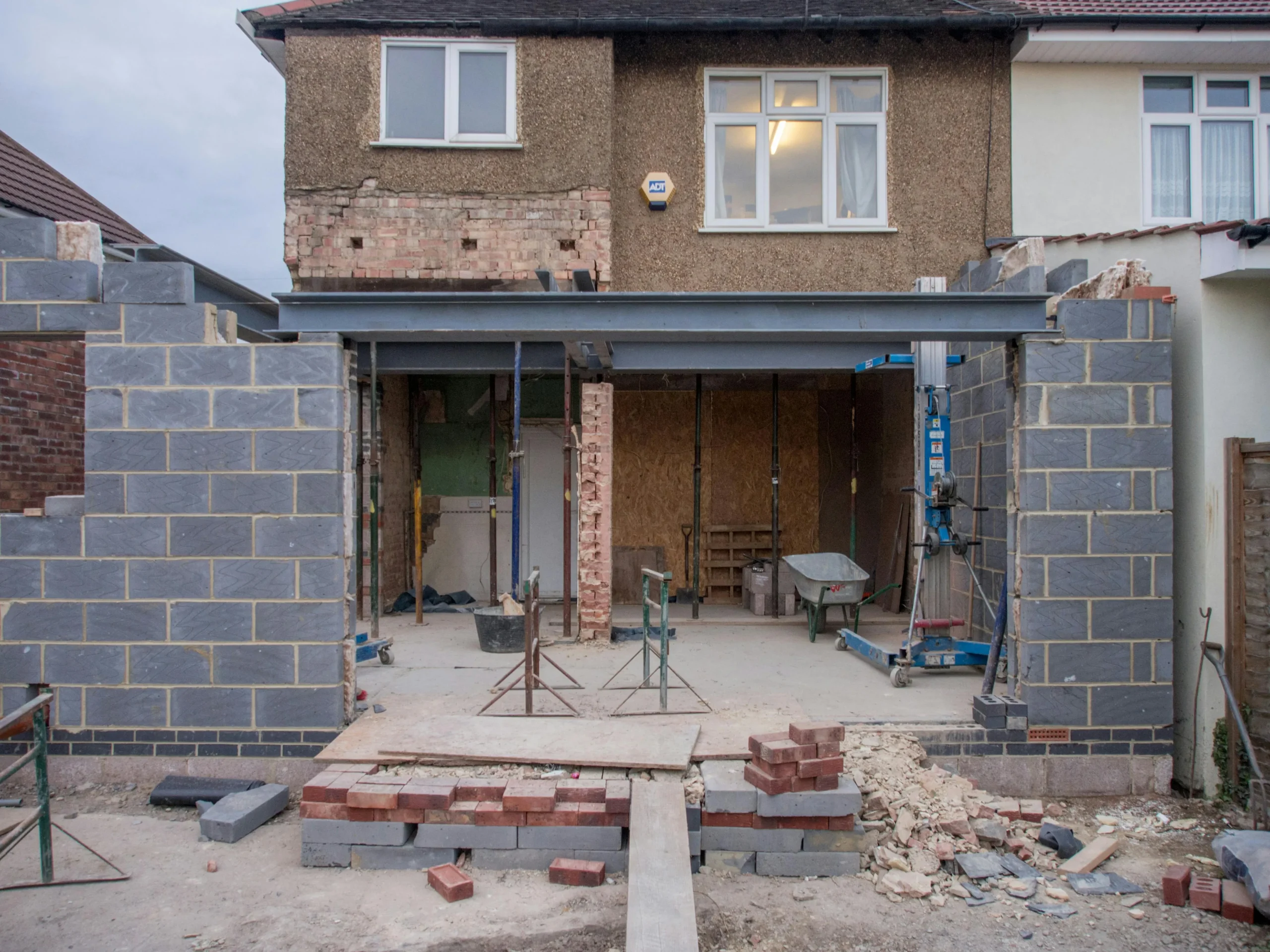
Average UK Extension Costs in 2026
Costs vary depending on region, access, specification and design complexity, but most contractors use similar starting points when quoting. These benchmarks represent what builders around the UK are currently working with.
How much does a single storey extension cost?
Predicted prices for 2026 are:
- Basic finish: £1,900 to £2,400 per square metre
- Mid range finish: £2,400 to £3,200 per square metre
- High end finish: £3,200 to £4,200 per square metre
A basic finish usually includes standard uPVC doors, simple electrics and straightforward plastered walls. A mid range finish often offers better glazing, upgraded flooring and more detailed lighting. High end projects include premium materials, bespoke joinery and large format glazing.
Expert insight: Homeowners often underestimate glazing costs. A single large aluminium sliding door can shift a project from a basic to a mid range budget instantly. Builders frequently see glazing account for 20 to 30 percent of an extension’s full cost.
How much does a double storey extension cost?
Double storey builds offer better value per square metre because the foundations and roof serve two levels.
Predicted prices for 2026 are:
- Basic finish: £2,500 to £3,200 per square metre
- Mid range finish: £3,200 to £3,900 per square metre
- High end finish: £3,900 to £5,000 per square metre
Many families choose this option to gain more ground floor living space alongside extra bedrooms or a bathroom upstairs.
Expert insight: Adding a bathroom upstairs is one of the biggest cost drivers. Plumbing adjustments, drainage positioning and ventilation requirements can push costs faster than people expect.
How much does a kitchen extension cost?
Kitchens usually involve more trades and higher specification work.
Predicted costs for 2026 are:
- Small to medium kitchen extension: £35,000 to £65,000
- Large open plan kitchen diner: £65,000 to £100,000+
- The kitchen itself often accounts for a quarter or even a third of the final spend.
Expert insight: Builders recommend choosing the kitchen layout early. When homeowners change layouts late, electrical and plumbing alterations are almost guaranteed, which increases the bill.
How much does a rear extension cost?
Modest rear extension: £30,000 to £50,000
Large rear extension: £50,000 to £90,000
How much does a side return extension cost?
Typical side return extension: £22,000 to £40,000
Side returns are especially popular for terraced homes where the aim is to widen the kitchen and improve natural light.
How much does a loft conversion cost?
Although not a ground level extension, loft conversions are often compared as an alternative space solution.
Predicted costs for 2026 are:
- Standard loft conversion: £25,000 to £55,000
- Dormer conversion with bathroom: £55,000 to £80,000+
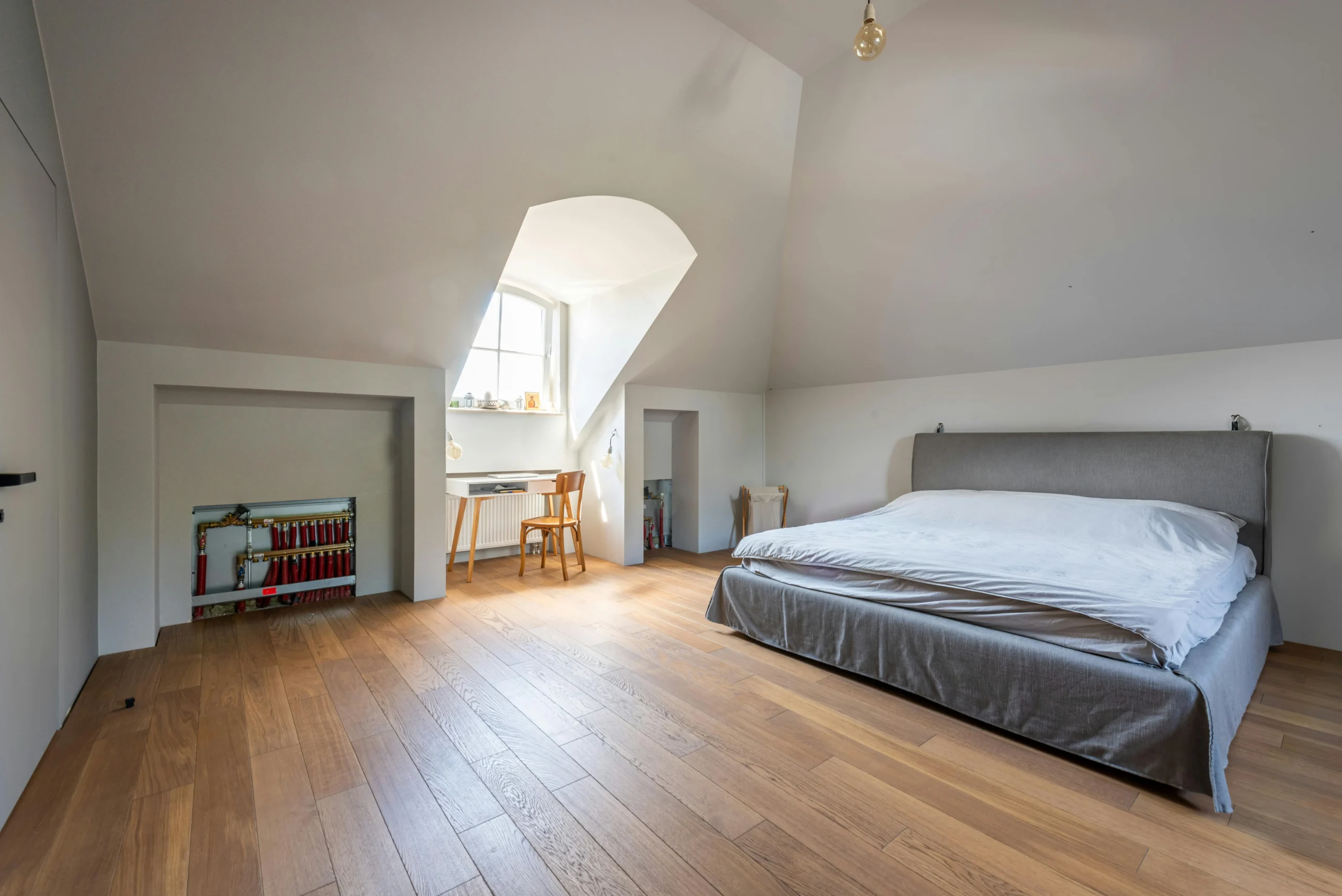
What Affects How Much an Extension Costs on a House in 2026?
Costs shift for several predictable reasons. Understanding these helps you budget more accurately.
Size and shape
A simple rectangular footprint is always the most cost effective. Complex shapes or angled layouts add labour time and structural considerations.
Example: A 20 square metre rectangular extension in the North West cost £46,000. A similar L shaped extension of the same area ended up at £61,000 due to the extra steel and labour.
Foundations and ground conditions
Soil type affects cost more than most homeowners realise. Clay heavy or unstable ground may require deeper foundations or piling.
Expert insight: Foundation surprises are the most common budget shock for homeowners. A ground survey early in the design phase helps eliminate guesswork.
Structural work
Removing load bearing walls or adding steel beams increases cost. Homes with previous extensions sometimes need reinforcement.
Example: A project in Surrey required an unexpected steel to support an old chimney breast. This added £3,800 to the final bill.
Materials
Different materials influence cost and installation time. Standard brick and tile choices are cheaper. Architectural bricks, zinc roofing and premium cladding raise the budget.
Location
London and the South East tend to be 10 to 20 percent above national averages. Urban areas with access restrictions also increase labour rates.
Access
If materials cannot reach the site easily, labour time increases.
Example: A terraced property in Bristol required all materials to be carried through the house, adding two weeks to the schedule.
Internal specification
Underfloor heating, bespoke joinery, feature lighting and premium finishes can double interior costs compared to a basic specification.
Professional fees
Architects, structural engineers, planning fees and building control inspections usually total around 10 to 15 percent of the overall project value.
Typical Budget Breakdown for 2026
Most extensions follow a similar cost pattern:
- Foundations and groundworks: 15 to 25 percent
- Structural work and framing: 15 to 20 percent
- External walls, windows and doors: 20 to 30 percent
- Roofing: 10 to 15 percent
- Electrics and plumbing: 10 to 15 percent
- Internal finishes and insulation: 20 to 30 percent
- Professional fees: 10 to 15 percent
Expert insight: Glazing, kitchens and client changes during the build are the top three causes of budget increases.
Planning Permission and Regulations in 2026
Planning permission
Many extensions fall under permitted development, but strict rules apply. Height, depth and distance from boundaries all matter. Homes in conservation areas generally require full planning permission.
Building regulations
Every extension must meet structural, insulation, fire safety, drainage and electrical standards. Building control officers check progress at several stages.
Party wall agreements
If your property shares a wall with a neighbour, you may need a party wall agreement, which can add time and sometimes surveyor fees.
How Long Will an Extension Take in 2026?
Single storey extension
Construction: 8 to 16 weeks
Design and approvals: 4 to 12 weeks
Double storey extension
Construction: 12 to 24 weeks
Design and approvals: 4 to 12 weeks
Expert insight: Weather delays are common. Concrete curing, plaster drying and roofing installation can slow down if temperatures drop or conditions are too wet.
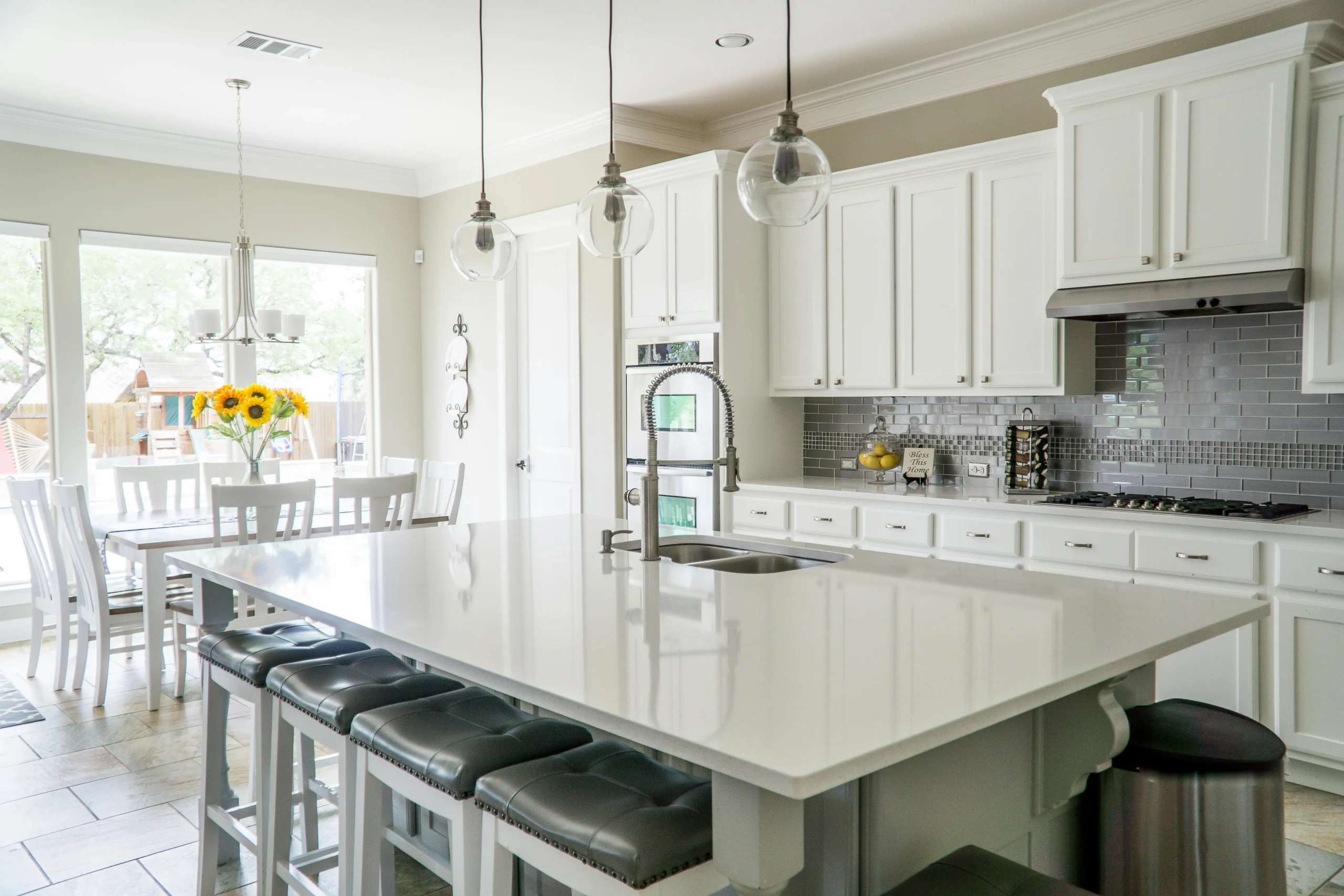
How to Save Money Without Reducing Quality
- Choose a simple footprint
- Use standard size glazing rather than bespoke units
- Finalise your design early to avoid costly variations
- Reuse existing drainage and services where possible
- Get detailed architectural and structural drawings to avoid misunderstandings.
Signs of a Reliable Contractor
Look for itemised quotes, evidence of similar projects, insurance, recent reviews and clear communication. A contractor who explains how they calculate costs is usually more organised and reliable.
Is a House Extension Worth it in 2026?
In many cases yes. A well designed extension improves space, natural light and overall property value. Rear kitchen extensions and double storey additions tend to deliver the strongest return on investment.
Final Thoughts
Understanding how much does an extension cost on a house in 2026 allows you to set a realistic budget and prepare properly before work begins. With careful planning, clear drawings and a skilled contractor, an extension can transform your home and add long term value. If you’d like to find out more about our services get in touch with us today.
